 Japan Tour ’26 Chapter 4: “K-Connection Artists Connected by Their Love for Kyoto”
Leave a comment
When we started planning this trip, one of the ideas I was most excited about was organizing an event in Kyoto that would allow us to meet and connect with local and international artists living in the city.
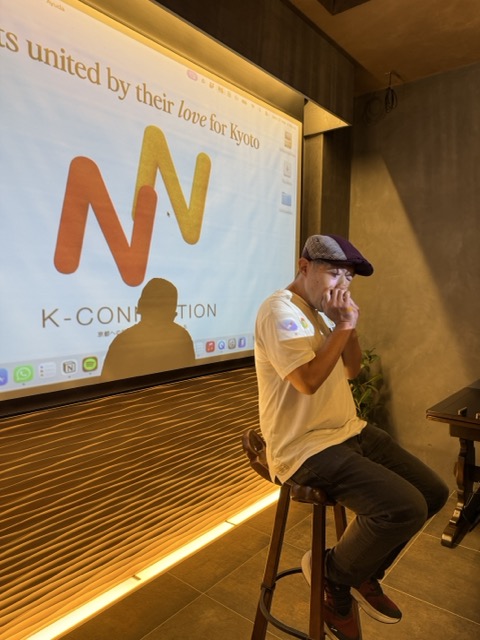
We called it K-Connection, with a very simple idea behind it: Artists connected by their love for Kyoto.
On Sunday, September 27, that idea finally became real at Cafe Monogataru, a beautiful café surrounded by trees on the mountainside of Yamashina.
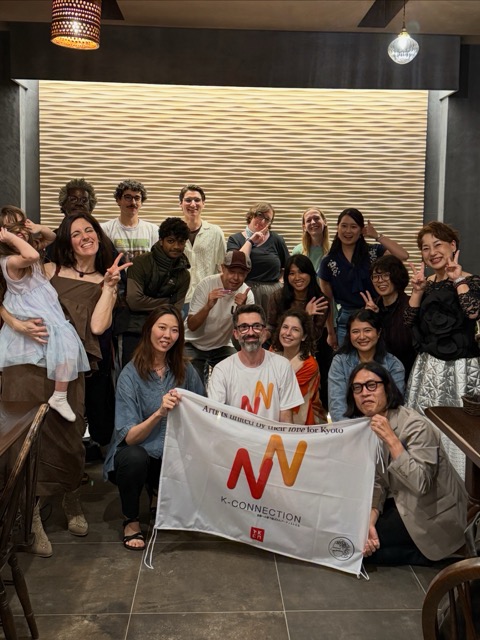
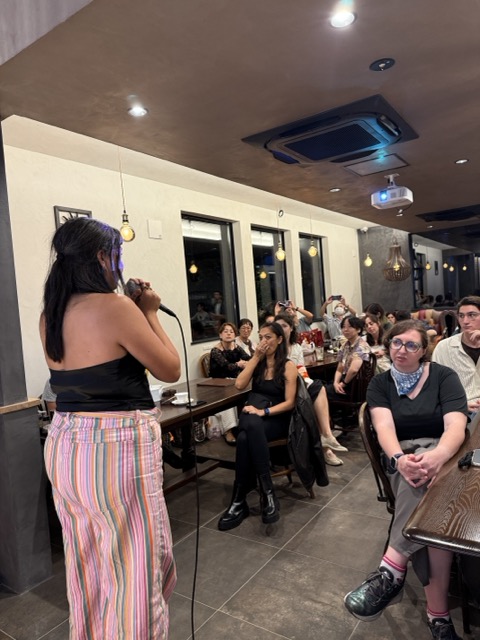
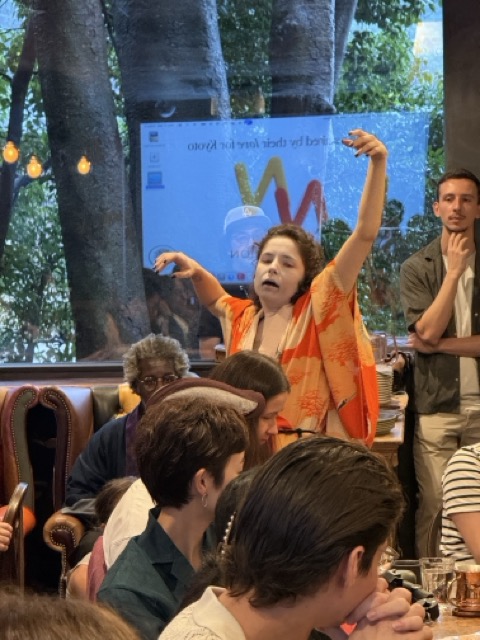
It had been raining heavily in Kyoto throughout the weekend, and Sunday afternoon was no exception. Because of the weather, I honestly didn’t know how many people would come. But shortly before 4 PM, people started arriving, and by the time we began, Cafe Monogataru was full. Around 50 people joined us throughout the afternoon, something that made us especially happy considering how much it was raining outside.
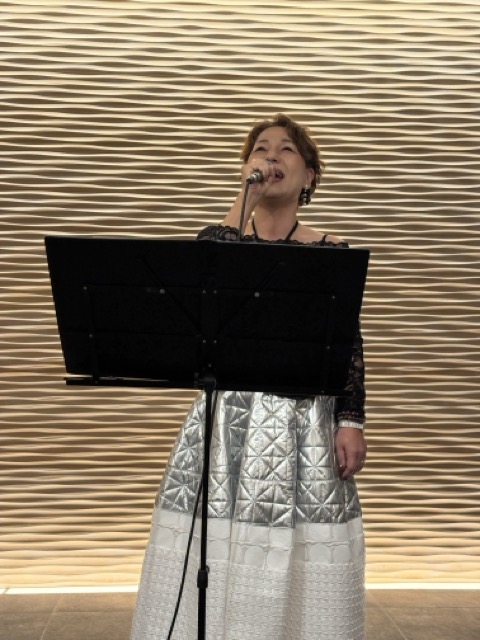
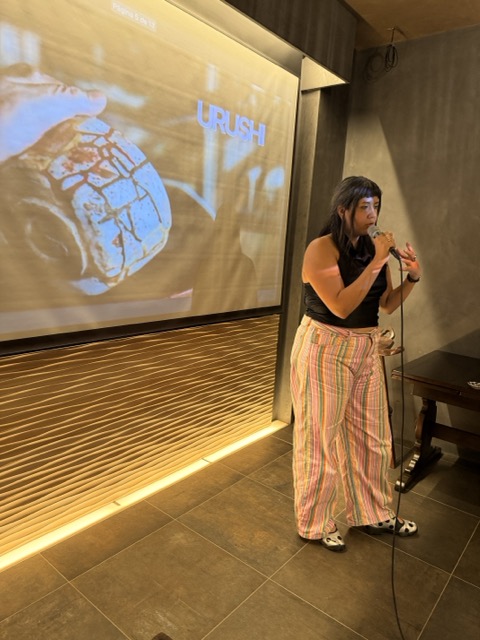
The event opened with Jesica Rubino singing “Soy.” It was a beautiful way to begin the afternoon, bringing a little piece of Argentine music to Yamashina through her voice.
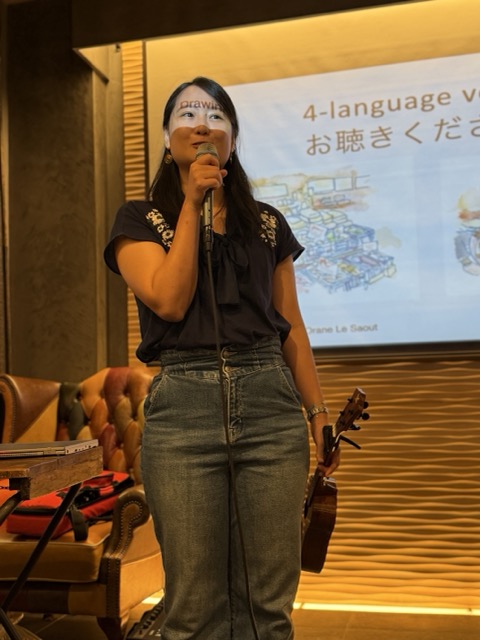
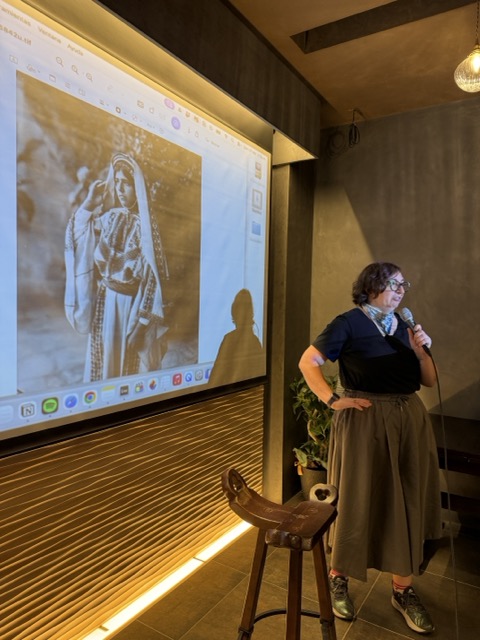
The idea of K-Connection was not to organize a traditional concert, but to create a space where different kinds of artists could meet each other and share what they do. Each participant had around fifteen minutes and complete freedom to decide how to use them.
And that created a wonderfully diverse afternoon.
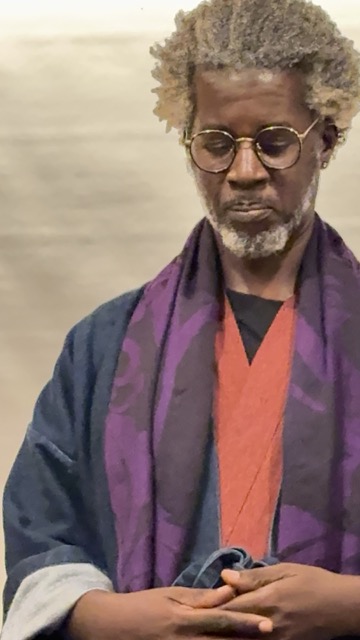
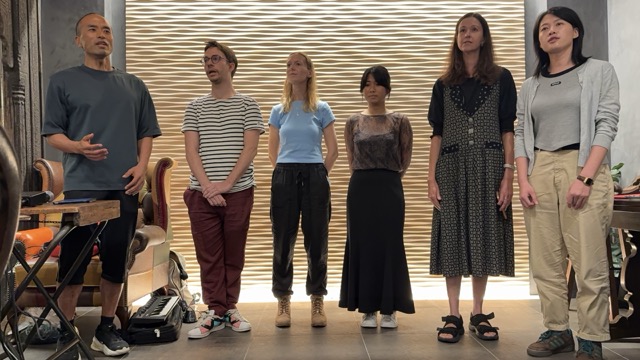
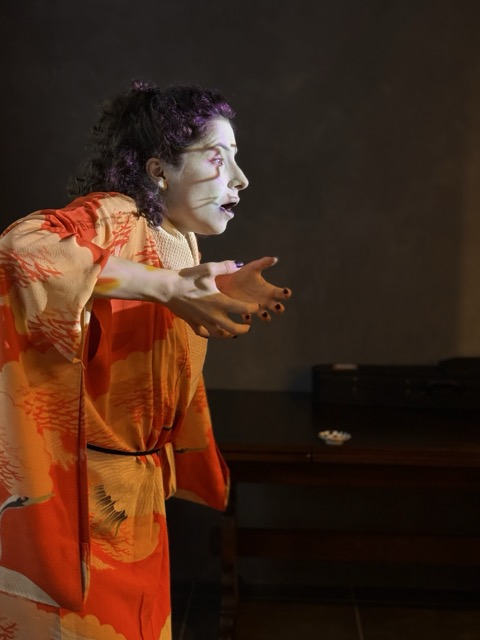
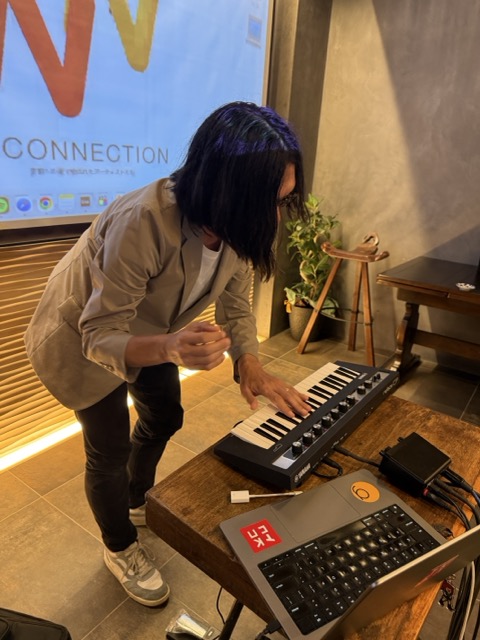
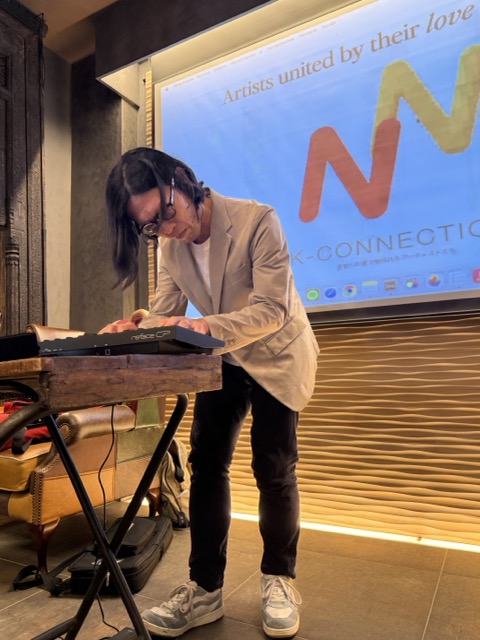
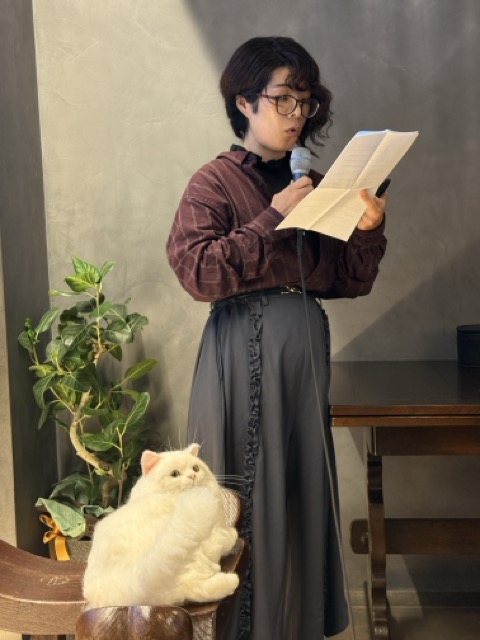
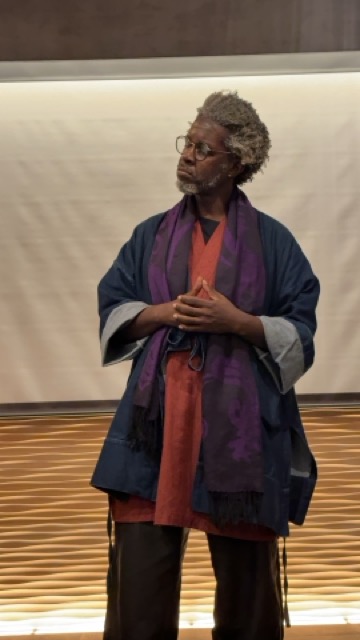
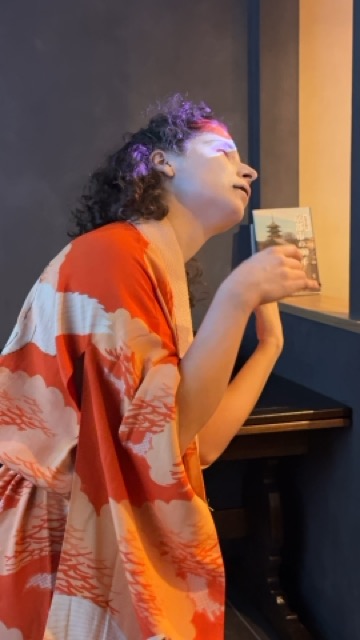
We had music, poetry, performance, improvisation and presentations of artistic and cultural projects. Olga came with the full Kyopella ensemble, filling the room with their voices. We heard Margriet Dabaie, soprano Sayo Teranishi, Satomi Murata, pianist Masafumi Komatsu, Butoh dancer Giulia Baranzoni, harmonica player Kuni, Claudia Chachi (Kintsugi), Kamau Abayomi (Poetry), each bringing something completely different to the afternoon.
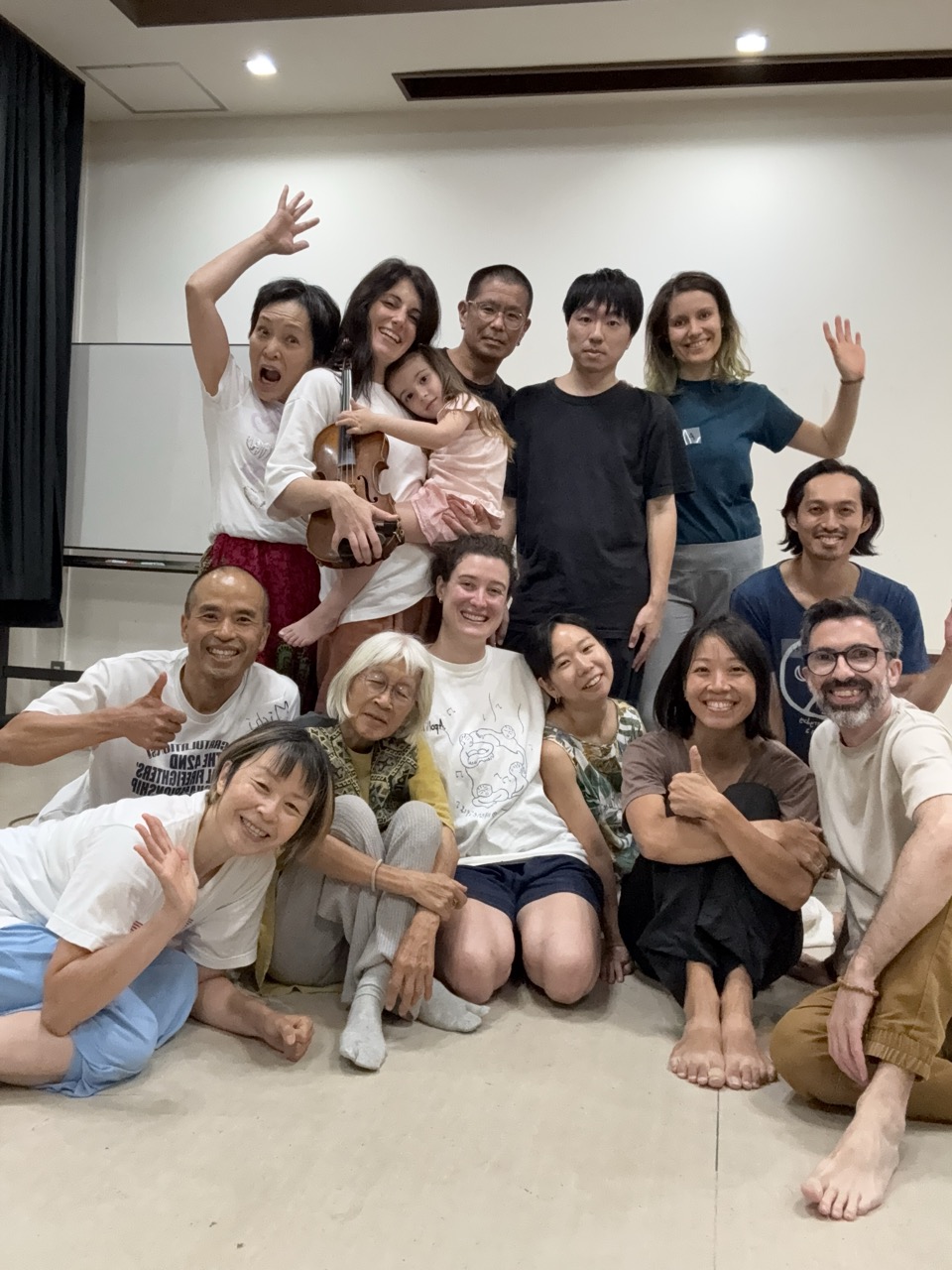
For three hours, each person had their moment and everyone else listened. There was genuine curiosity about what the others were doing, and a very warm and generous atmosphere developed inside the café.
At around 7 PM, The Kyoto Connection took the stage to close the artistic part of the event.
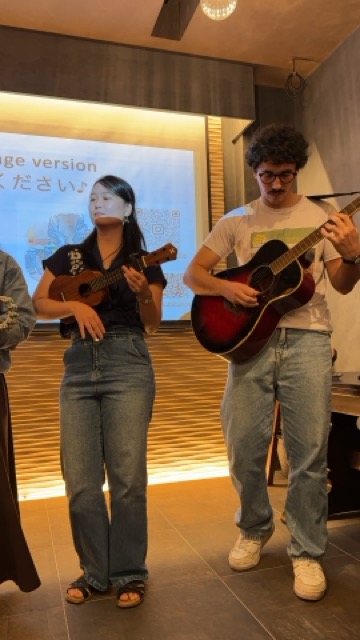
Jesica, Cielo and I performed three songs: “Waterfall,” “True Grit” and “Vista Panorámica.” Once again, Cielo joined us onstage, and it felt particularly meaningful to close an event like this together as a family.
After our performance, I said a few words of thanks and invited everyone to stay for dinner. Many of us remained at Café Monogataru until around 9 PM, eating delicious pizza, talking and getting to know each other beyond those fifteen minutes onstage.
In many ways, I think that dinner was as important as the performances themselves.
One of the main reasons for creating K-Connection was simply to put people in the same room who might otherwise never meet. Watching everyone talking after the event, exchanging contacts and discovering connections between their different projects made me feel that the idea had worked. And in the days since then, I have already seen some of these artists continuing their conversations and interacting with each other.
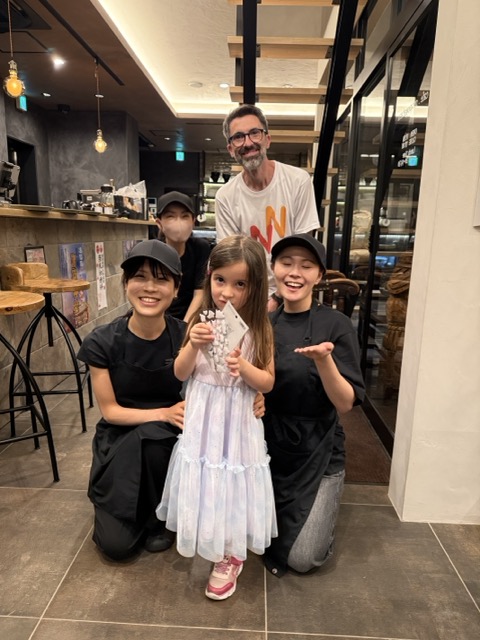
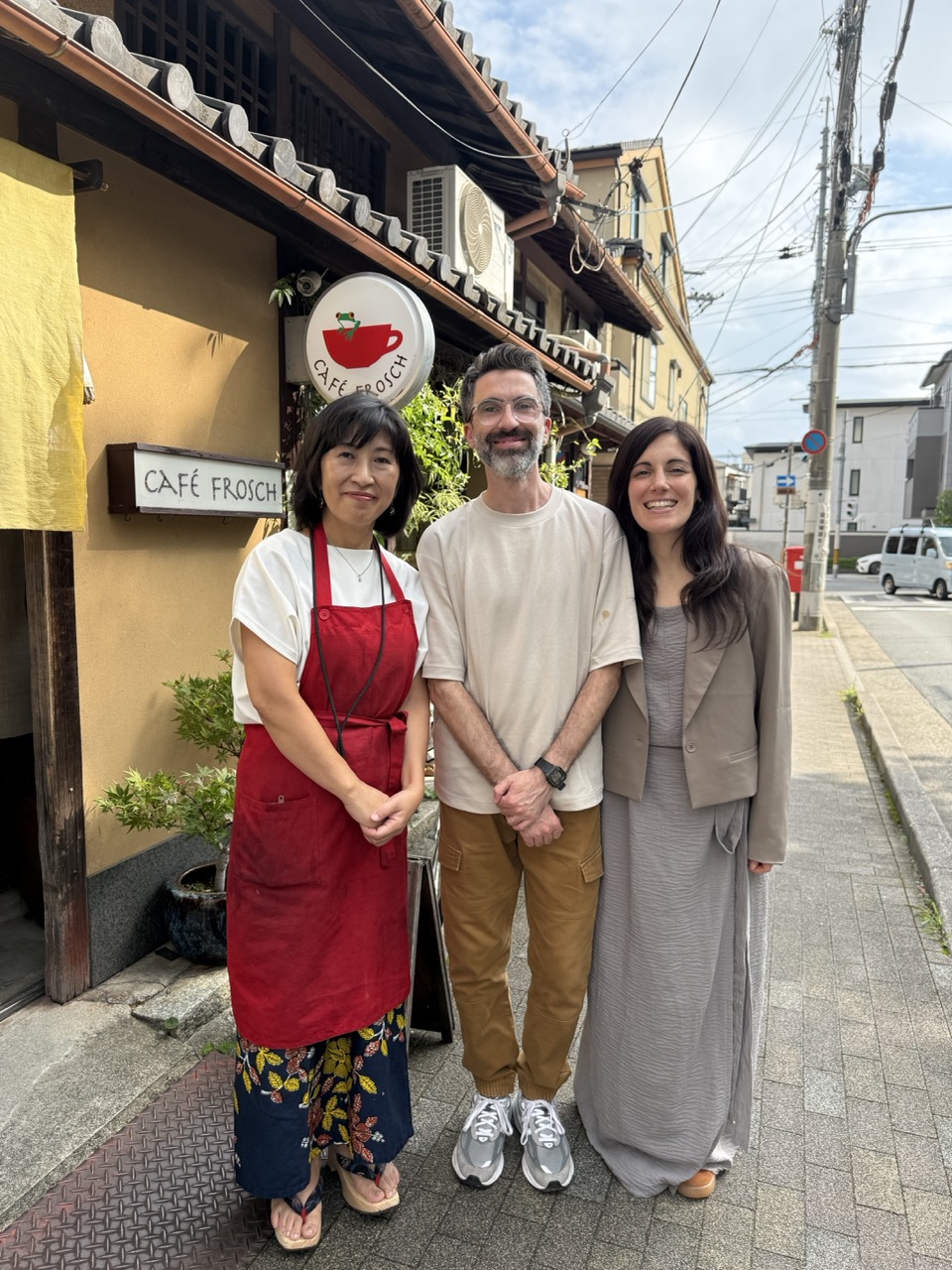
I want to especially thank Etsuko Hirose, the owner of Café Monogataru, and her entire team for welcoming us with so much warmth, love and dedication. They gave us everything we needed: a beautiful space, sound equipment, a screen, instruments, food and, most importantly, the freedom to make the place our own for an afternoon.
I also want to thank every artist who joined this first edition. Everyone came with an incredible willingness to participate, listen, share and support each other. That spirit was present throughout the entire afternoon and was probably my favorite part of the experience.
And a very special thank you to Erika Yamao, who was by my side throughout the event, providing live interpretation while I hosted. Her help allowed me to communicate with everyone in the room and made it possible for the event to flow naturally between languages. I am deeply grateful for her generosity and support.
K-Connection also made me think differently about the meaning of The Kyoto Connection itself.
For more than twenty years, that name described our own connection with Kyoto: a musical project created thousands of kilometers away, in Argentina, inspired by a city we dreamed about for a very long time.
But perhaps the idea can now become something larger.
The connection with Kyoto doesn’t have to be only ours. It can belong to all the people who, for whatever reason, have developed a special relationship with this city and express that relationship through music, poetry, dance, visual arts, research or any other form of creativity.
Maybe that’s what K-Connection can become: a place where some of those connections meet.
Artists connected by their love for Kyoto.
This was the first one.
We really hope there will be many more.